Our Services
Information for patients on our services and areas such as knee pain, foot pain and heel pain.
Diabetes
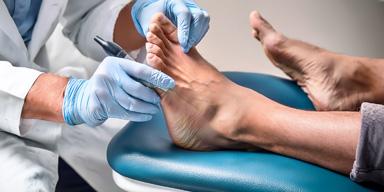
Diabetes leads to the loss of sensation and circulation to the feet as the nerves lose the ability to conduct pain impulses back to the brain. This can prevent the feet from sensing irritation such as from ill-fitting shoes which over time can lead to ulceration. Patients who are diabetic should take extra notice of their feet and try to examine them each night before going to bed. Signs to look for include any redness, abrasions, calluses or areas that feel warm. If any wounds do not heal, go and see your podiatrist who will give you a thorough check-up. Some factors which will help patients with diabetes reduce the risk of foot trauma include: - The use of appropriate footwear. - Low impact exercise such as walking or swimming. - Maintaining a healthy body weight which will reduce excess pressure on the feet. - Avoid exposing the feet to extreme temperatures of hot and cold and avoid the use of hot water bottles. - Do not use chemicals to remove calluses or corns – these can overly irritate the skin of a diabetic foot. - Examine feet regularly and observe any changes. If unable to see under your feet, the use of mirrors may help.
Ingrown Toenails
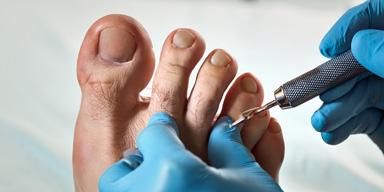
Ingrown toenails are commonly caused by ill-fitting shoes. Where the shoe presses against the nail, the nail border grows into the surrounding nail groove which treats it like a foreign body and tries to reject it. Frequently the nail will grow extra callous tissue to protect it from the protruding nail point. If the nail pierces the skin, infection may follow. Poor cutting of the nail is also a common cause of an ingrown toe-nail developing. The natural shape of the nail plays a role - a nail that is more curved from side to side rather than being flat is more likely to become an ingrown nail. Poor cutting of these types of nails can leave a sharp corner that puts pressure on and can penetrate the skin. Previous trauma to a nail may alter the shape of the nail, making it more prone to becoming an ingrown nail. People often try to cut their own ingrown toenails! In doing so, it is easy to trim too far down the sides of the nail and this can just make the problem worse as the nail grows back. Always consult your podiatrist!
Corns
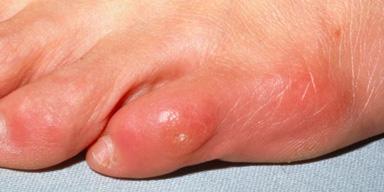
Corns and callus are one of the most common conditions seen by podiatrists. A callus generally refers to a more diffuse thickening of the skin whereas a corn involves a more focal area which can extend deeper. In the foot, the skin will naturally thicken up to protect itself when faced with areas of high pressure. The problem occurs when the pressure continues and the skin gets thicker and deeper and eventually becomes painful. In more severe cases, ulceration can develop under a corn if not treated in time. This can be a serious complication for those with poor circulation or suffer from diabetes. Remedies such as corn paint or plasters will only treat the symptom of the corn and not the initiating cause such as wrongly fitted shoes. The chemicals used in over-the-counter products often contain acid that eats away at the corn but often normal healthy skin surrounding the corn becomes damaged aswell. A podiatrist can appropriately treat corns with correct removal, padding and assessment of your foot wear.
Cracked Heels
Most of us at some point have suffered from cracked heels. For most this is just a cosmetic issue but in some cases the cracks become deep enough to bleed and are painful to stand on. In severe cases, the break in the skin can open it up to infection. The main causes of cracked skin include: - Excessive dry skin around the heel which is made worse when the skin is thick and callused. - Standing for long periods particularly on hard floors. - Shoes that don’t have a back to them – this allows the fat under the heel to expand sideways. - Excess weight increases the pressure on the normal fat pad under the heel causing it to expand sideways and crack. - Some medical conditions predispose the person to dry skin such as patients with diabetes who sweat less. Alleviating the problems associated with cracked heels include applying oil based moisturizing cream twice daily. Thick skin can be thinned down with exfoliates or rubbing with a pumice stone. If the problem becomes painful never try to shave the thick skin yourself with a razor! - you may take too much skin off or open the wound up to infection. See your podiatrist who will correctly remove the right amount of skin.
Smelly Feet
Our feet have more sweat glands than any other part of the body! When you put feet in shoes, the sweat is trapped inside the shoe and creates the perfect environment for bacteria to thrive. It is this bacteria that causes the smell! A number of conditions increase the chance for smelly feet, such as excess sweating known as hyperhidrosis, stress and hormonal changes. Practicing good foot hygiene reduces bacteria to low levels. Ways to do this include: - Avoid socks made from synthetic materials. Natural fibers such as wool and cotton are more absorbent. - Change your socks at least once a day – never wear the same pair of socks the next day. - Allow your shoes to ‘air’ especially in hot weather to dry out before wearing them again. - The use of innersoles can help absorb the moisture and be changed regularly relatively cheaply. - Bathing feet daily in warm water with a mild soap but remember to dry them thoroughly particularly between the toes. - Apply a foot powder which will keep the moisture level down therefore reducing the environment for the bacteria to grow.

Gout
Gout is a very common form of arthritis or inflammation of a joint. Although it can affect any joint, it most commonly affects the big toe joint. The cause of gout is related to a build up of uric acid in the blood which eventually deposits as crystals in the joints. An acute inflammation around these crystals causes the pain. The symptoms of gout usually begin quickly, within 12-24 hours, in which there is usually pain and swelling in the joint and the skin becomes glossy in appearance. The first attack of gout usually resides within a week but the attacks may become more frequent and painful over time. Without treatment, gout can progress to other joints and chronic joint damage may occur. A predisposition for gout includes: - Obesity - Excess alcohol consumption - High intake of food that contain purines which are broken down into uric acid in the body. These foods include red meat, particularly liver and kidney, shellfish and legumes. - People with kidney disease may develop high levels of uric acid as the kidney can no longer adequately filter the blood.
Flat Feet
A person with flatfeet have feet with decreased or absent arches. The inside aspect of the foot appears to be more bowed outward than normal and the heel bone appears to be turned outward. This is usually an inherited trait passed from parents to their children. Although babies feet look flat, their arches are just filled with excess fat. As the child grows, the bones become more prominent as the fat decreases and the foot starts to show more of a characteristic shape. If by the ages of two or three, your child still has undeveloped arches, consult your podiatrist. Weight baring on young feet without arches places excess force on the developing bones, which may lead to bone and joint problems in the future. You should consult your podiatrist if your child is complaining of pain in their arches, heel or ankle. Excessive inward rolling of the arches also makes the leg and knee turn inwards and pain may also develop in the knees, lower back and hip. Foot orthotics are moulded from your individual foot and are worn within your shoes. Foot orthotics limit the abnormal flat arch shape and rolling in of the heel bone during weight-baring. This helps improve the mechanics of the foot and often alleviates the pain associated with flatfeet. A quick way to indicate if you may be flatfooted is uneven shoe wear towards the inside of your flat foot. Also observe the prints left behind from your wet feet. Are you flatfooted? Ask your podiatrist……
Heel Spurs
A heel spur develops as an abnormal growth of the heel bone. They are considered a normal variant of the bone when they are small, well-defined, smooth contours. The plantar fascia is a thick tissue that supports the arch of the foot by connecting the ball of the foot to the heel. When this fascia is exposed to excess pressure, the fibres of the fascia can be pulled away from its origin in the heel bone leading to inflammation (plantar fasciitis) and pain. Heel spurs are often associated with conditions such as plantar fasciitis and by themselves do not generally result in pain. This exact relationship between plantar fasciitis and heel spurs is not fully known. Treatment of large heel spurs involves determining what is causing the excessive stretching of the plantar fascia. Your podiatrist will assess your foot type and provide you with treatment options. Some of which may include stretching exercises, wearing a cushioned heel insert or orthotic.
Onychomycosis
Onychomycosis is a common fungal toenail condition. The fungus lives in the nail bed and feeds off the protein in the nail. The condition usually begins in the nail of the big toe and initially presents as patches of white or yellow –brown discolouration. As the condition worsens, the toenail may become brittle and grow deformed and thicker. Many patients become very conscious about a fungus nail condition and don’t like their nails to be seen in public. There are many over the counter remedies for fungal conditions but effectiveness depends on a number of factors including the type of fungus, current health status and concurrent medications. Be aware that toenail fungus rarely heals on its own so consult your podiatrist if you notice any colour changes to your nail. They will prescribe the best treatment for you. What you can do to help prevent fungal infection: - Only wear clean socks every day - Don’t wear shoes that are too tight which may cause trauma to your toes – this may allow fungus to enter - Wear thongs in community showers or around pool areas. - Wash your feet every day and dry them thoroughly - Thoroughly clean pedicure tools before you use them
Achilles Tendonitis
The Achilles tendon is the strongest and largest tendon in the body. The Achilles tendon connects the heel bone with the gastrocnemius-soleus muscle within the calf. The tendon is necessary for walking, running and jumping as the tendon causes the foot to push off the ground when the calf muscles tighten. When the tendon is damaged, inflammation may result leading to Achilles tendonitis. The function of the tendon becomes impaired through a tear (such as from a sudden increase in training) or excessive stretching of the tendon (eg through overuse of incorrect shoes such as high heels). Tight calf muscles may also contribute to prolonged Achilles tendonitis due to the continual strain they exert on the tendon. People with Achilles tendonitis may find running and jumping activities become painful and difficult. Stiffness and pain are usually felt towards the back of the ankle when pushing off the ball of the foot. Achilles tendonitis is an inflammatory condition and therefore responds well to standard inflammatory treatment. When acute pain is present, the R.I.C.E method is suggested: Rest, Ice, Compression and Elevation. Anti-inflammatory medication may also be used. Strengthening exercises may help restore the extensibility of the tendon and increase the strength of the tendon. Your podiatrist may prescribe orthotics, which reduce the strain on the tendon allowing it time to recover.
Neuromas
A neuroma is a thickening of nerve tissue often the result of compression and irritation to the nerve. The most common neuroma in the foot occurs at the base of the third and fourth toes and is known as Morton's neuroma or intermetatarsal neuroma. Anything that causes compression or irritation of the nerve can lead to the development of a neuroma. This includes poorly fitting shoes including high-heels that cause the toes to be forced into the toe box. Also, repetitive irritation to the ball of the foot such as running may traumatize the foot and lead to a neuroma. Some of the more common symptoms of Morton’s neuroma include: - Pain in the ball of the foot - Sensation that something is in your shoe under the ball of your foot - Numbness Treatments for Morton's neuroma routinely involve changing footwear and using pads within the shoe to help take the pressure off the area. It is best to consult a podiatrist if you suspect a neuroma as permanent nerve damage may result if left untreated.
Meet The Podiatrist - Laurance Sidari (FAAPSM)
Laurance Sidari (FAAPSM) is a podiatrist with over 42 years experience in all areas of general practice, sports medicine, minor surgical procedures, podo-paediatrics and clinical biomechanics specialising in prescription custom made orthotics.
Laurance is currently on the board of the Australian Podiatry Association NSW and has served as President and Vice President over 39 years. He has also been the Chairman of the NSW Sports Podiatry Group for over 25 years and served on many Committees improving Podiatry. For over 38 years Laurance has been a member of Sports Medicine Australia (Australian Sports Medicine Federation) and served as councillor for 9 of these.
It is Laurance’s expertise and experience within sports medicine that led him to become a valuable member of the podiatry team for the 2000 Australian Olympic Team and Para- Olympic team as well as the 2006 Commonwealth Games. Since starting in private practice 42 years ago, Laurance continues to have a thriving Specialist Podiatry clinic in Moorebank. Laurance’s active interest in biomechanics has led to him to design and make all of his own foot orthoses for all his patients.
In our clinic Laurance also operates as a clinical Supervisor for many students throughout the year for all the NSW based Universities.
Laurance’s expertise includes an extensive knowledge of clinical biomechanics, diabetes, podo-paediatrics, nail surgery and soft tissue curettage as well as corrective orthotic therapy and various other modalities in private practice. Laurance has also lectured to other professionals extensively on clinical biomechanics as well as special interest groups on podiatry, diabetes, sports footwear and general footwear.